Posts

Showing posts with the label hearing aid centre coimbatore

Why Consulting an Audiologist is Essential Before Choosing a Hearing Aid

Image
In today’s world, hearing aids are widely advertised and easily available at various centers, shops, and even online. While it may seem convenient to purchase one directly, choosing a hearing aid without the guidance of an audiologist can often lead to disappointment, poor benefit, or even worsening of communication difficulties. As an audiologist, I want to share why professional involvement is so important in the hearing aid selection process: 1. Hearing Loss is Unique for Everyone No two people have the same type or degree of hearing loss. What works for your friend or neighbor may not work for you. An audiologist conducts detailed hearing assessments to understand your exact hearing profile before recommending suitable devices. 2. Right Technology for the Right Need Hearing aids come with different features — noise reduction, Bluetooth connectivity, rechargeable batteries, directional microphones, etc. Without proper guidance, you may end up paying for features you don’t nee...

The Importance of an Audiologist in Selecting the Right Hearing Aid

Image
The Importance of an Audiologist in Selecting the Right Hearing Aid Hearing loss is not just a medical condition—it affects how we connect, communicate, and participate in the world around us. When it comes to managing hearing loss, hearing aids are one of the most effective solutions. However, choosing the right hearing aid is not as simple as picking one off a shelf. This is where the expertise of an audiologist becomes crucial. Who is an Audiologist? An audiologist is a qualified healthcare professional who specializes in diagnosing and treating hearing and balance disorders. With a deep understanding of the auditory system, audiologists use a combination of advanced technology and clinical judgment to help people of all ages manage hearing loss effectively. Why is an Audiologist Essential in Choosing Hearing Aids? 1. Accurate Diagnosis Not all hearing loss is the same. It varies in type (conductive, sensorineural, or mixed), degree (mild to profound), and configuration (high-...

The Importance of Regular Hearing Tests: Why You Shouldn’t Ignore Your Hearing Health

Image
  Hearing is one of our most vital senses, allowing us to connect with others, enjoy music, and stay aware of our surroundings. Despite this, many people overlook their hearing health until they experience noticeable difficulties. Regular hearing tests are essential for detecting problems early and maintaining overall well-being. Why Are Hearing Tests Important? 1. Early Detection of Hearing Loss Hearing loss often develops gradually, making it difficult to notice until it significantly affects daily life. Regular hearing tests help identify even minor changes, allowing for timely intervention. Early detection means better management options, whether it’s a simple lifestyle adjustment, hearing aids, or medical treatment. 2. Preventing Further Hearing Damage Many causes of hearing loss, such as exposure to loud noise or certain medical conditions, can worsen over time. Routine testing helps monitor your hearing health and take preventive measures before the damage becomes severe. 3....

Enhancing Lives: The Importance of Hearing Aid Services

Image
Hearing loss affects millions worldwide, diminishing the quality of life for individuals and straining relationships. Yet, with modern advancements in technology, hearing aids offer a lifeline to those experiencing auditory challenges. However, the journey doesn't end with purchasing a hearing aid; rather, it begins with comprehensive hearing aid services that are vital for optimal performance and user satisfaction. Education and Support Adjusting to life with hearing aids can be a journey filled with challenges. Hearing aid services offer invaluable education and support to users and their families. They provide guidance on proper usage, care, and troubleshooting techniques, empowering individuals to make the most of their devices and overcome any obstacles they may encounter. Continuous Monitoring and Upgrades Hearing abilities and lifestyle needs evolve over time. Regular check-ups and assessments provided by hearing aid services enable professionals to monitor changes in hear...

Tinnitus

Image
Tinnitus is a condition characterized by the perception of sound in the ears or head without any external source. It can manifest as ringing, buzzing, whistling, humming, or other similar sounds. Here are some key points to note about tinnitus: **Causes and Symptoms**: Tinnitus can be caused by various factors, including exposure to loud noises, age-related hearing loss, earwax blockage, certain medications, ear infections, and underlying health conditions. The symptoms of tinnitus can vary from person to person, and it may be intermittent or constant. Some individuals may experience tinnitus that significantly affects their daily lives, while others may have a milder form that is less disruptive. **Diagnosis and Treatment**: If you are experiencing tinnitus, it is important to consult with a healthcare professional, such as an audiologist or an otolaryngologist (ear, nose, and throat specialist). They can conduct a thorough evaluation, which may include a physical examination, hearing...

Fitting a hearing aid with an Audiologist

Image
  Fitting a hearing aid with an audiologist is crucial for several reasons: 1. **Customization**: Each individual's hearing loss is unique. An audiologist can conduct thorough assessments to determine the extent and nature of your hearing loss. They can then customize the settings of the hearing aid to match your specific needs, ensuring optimal performance and comfort. 2. **Proper Programming**: Hearing aids have advanced technology with various settings and features. An audiologist has the expertise to program these devices according to your hearing profile and lifestyle requirements. This programming ensures that you receive the best possible hearing experience and can effectively navigate different listening environments. 3. **Comfort and Fit**: A poorly fitted hearing aid can cause discomfort and even exacerbate hearing problems. An audiologist will take precise measurements of your ear canal and ensure that the hearing aid fits comfortably and securely. They can also make adj...

Happiness of Hearing

Image
  Hearing aids can significantly improve the quality of life for individuals with hearing loss, often leading to increased happiness and satisfaction. Here are some reasons why hearing aids can contribute to happiness: 1. **Improved Communication**: Hearing aids help people hear conversations more clearly, making communication easier and more enjoyable. Being able to actively participate in conversations without constantly asking others to repeat themselves can boost confidence and self-esteem. 2. **Reconnection with the Environment**: Hearing loss can sometimes lead to social withdrawal and isolation. Hearing aids enable individuals to reconnect with their surroundings, allowing them to enjoy activities, events, and interactions with friends and family members. 3. **Enhanced Relationships**: Better communication facilitated by hearing aids can strengthen relationships with loved ones. Improved understanding and engagement can lead to more meaningful connections and a greater sense...

Role of an Audiologist

Image
An audiologist is a healthcare professional who specializes in the assessment, diagnosis, and treatment of individuals with hearing and balance disorders. Their role is crucial in helping people of all ages manage and improve their auditory and vestibular (balance) health. Here are some key aspects of the role of an audiologist: 1. **Hearing Evaluation:**    - Conducting comprehensive hearing assessments to identify and quantify hearing loss.    - Using various diagnostic tools, such as audiometers and otoacoustic emissions (OAE) equipment, to assess the functionality of the auditory system. 2. **Diagnosis and Assessment:**    - Interpreting test results to diagnose the nature and extent of hearing disorders.    - Identifying the cause of hearing loss, whether it be related to genetics, aging, noise exposure, or other factors. 3. **Treatment and Rehabilitation:**    - Recommending and fitting hearing aids or other assistive listening dev...

Happiness of Hearing - "Immerse yourself in the symphony of life's beautiful sounds"

Image
In the symphony of childhood, the ability to hear plays a fundamental role in shaping a child's development. For children with hearing impairments, hearing aids become invaluable tools, opening doors to a world rich in communication, learning, and social interaction. **Section 1: Unlocking Communication Skills:** Hearing aids are pivotal in helping children develop essential communication skills. From the earliest stages of language acquisition to the complexities of social interaction, hearing aids provide a bridge to the spoken word, fostering effective communication and language development. **Section 2: Academic Success:** In the classroom, hearing aids play a crucial role in academic success. They enable children to fully engage with educators, classmates, and instructional materials, ensuring that they don't miss out on vital educational content. This inclusion is essential for the holistic development of children with hearing impairments. **Section 3: Social Integration:...

SELECTION OF HEARING AIDS

Image
Choosing the right hearing aid involves considering several factors to match your needs and lifestyle. Here are some key steps to consider: 1. **Degree of Hearing Loss:**    - Get a comprehensive hearing evaluation from an audiologist to determine the extent of your hearing loss. The type and severity will guide the choice of hearing aid. 2. **Style and Design:**    - Hearing aids come in various styles: behind-the-ear (BTE), in-the-ear (ITE), in-the-canal (ITC), completely-in-the-canal (CIC), and invisible-in-canal (IIC). Select one that aligns with your preferences and comfort. 3. **Technological Features:**    - Consider features like noise reduction, directional microphones, Bluetooth connectivity, telecoil (for phone compatibility), and rechargeability. Choose features that suit your lifestyle and specific needs. 4. **Comfort and Fit:**    - Ensure the hearing aid fits comfortably and securely. Comfort is crucial for long-term use. Some may p...

Importance of normal hearing testing

Image
Normal hearing testing is of great importance for several reasons: 1. Early Detection of Hearing Loss: Hearing loss can occur gradually, and in many cases, individuals may not even be aware of it. Regular hearing tests can help detect hearing loss in its early stages, allowing for timely intervention and treatment. Early detection is crucial because it can prevent further deterioration of hearing and improve the effectiveness of treatment options. 2. Communication and Quality of Life: Hearing is a fundamental aspect of communication. Hearing loss can lead to difficulties in understanding spoken language, which can have a significant impact on an individual's social interactions, relationships, and overall quality of life. Normal hearing testing can identify issues and lead to appropriate interventions, such as hearing aids, cochlear implants, or other assistive devices, to improve communication and quality of life. 3. Cognitive Health: There is a strong connection between hearing l...

Hearing - Foundation of Musical Perception

Image
Hearing is an essential component of the listening experience when it comes to music. It plays a crucial role in our ability to fully appreciate and engage with musical compositions. Here's a note on the importance of hearing in listening to music: Hearing is the Foundation of Musical Perception: 1. **Sound Reception**: Hearing is the initial step in the music listening process. It allows us to receive and interpret sound waves, which form the basis of all music. Without the ability to hear, we would miss out on the entire auditory spectrum of music. 2. **Sound Quality**: The nuances of music, such as tone, timbre, dynamics, and texture, are perceived through hearing. These elements provide depth and richness to the listening experience. The quality of sound production, instruments, and vocals all contribute to our overall enjoyment of a musical piece. 3. **Melody and Harmony**: Melodic and harmonic progressions, which are fundamental in music, are entirely dependent on hearing. Th...

Hearing aids - Various models & styles

Image
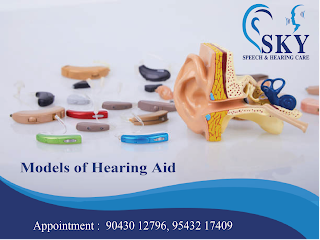
 Hearing aids come in various models and styles to suit the specific needs and preferences of individuals with hearing loss. Here are some of the different models of hearing aids: 1. Behind-the-Ear (BTE) Hearing Aids:    - Traditional BTE: These hearing aids rest behind the ear and are connected to an earmold or earpiece that fits inside the ear canal.    - Mini BTE: Smaller and more discreet than traditional BTE aids, these have a thin tube that directs sound into the ear canal. 2. In-the-Ear (ITE) Hearing Aids:    - Full-shell ITE: These custom-molded hearing aids fill most of the outer ear and are more visible but may have additional features.    - Half-shell ITE: Smaller than full-shell ITE aids, they fill only a portion of the outer ear, offering a balance between visibility and functionality.    - In-the-Canal (ITC): These hearing aids fit partially in the ear canal and are less visible than full-shell models.    - C...

Importance of Hearing Testing

Image
  Hearing testing is of paramount importance for various reasons, as it plays a crucial role in both individual well-being and public health. Here are some key aspects highlighting the importance of hearing testing: 1. Early Detection of Hearing Loss:    - Hearing tests can identify hearing loss in its early stages. Early detection allows for prompt intervention and management, which can significantly improve outcomes. 2. Improved Quality of Life:    - Hearing loss can lead to social isolation, depression, and reduced overall quality of life. Hearing tests help in identifying hearing problems early, allowing individuals to seek appropriate treatments like hearing aids or cochlear implants. 3. Communication and Relationships:    - Hearing is essential for effective communication. Untreated hearing loss can strain relationships and hinder interactions with family, friends, and colleagues. Hearing tests can help individuals maintain healthy social connect...

Online Auditory Verbal Therapy (AVT)

Image
  Auditory Verbal Therapy (AVT) is an evidence-based therapeutic approach designed to help individuals with hearing loss develop listening and spoken language skills. It is typically used with children who are deaf or hard of hearing to maximize their potential for language and communication development. AVT focuses on teaching children how to listen and speak effectively, using their residual hearing and any assistive hearing devices they may have (like hearing aids or cochlear implants). The goal of AVT is to enable children with hearing loss to integrate into mainstream educational and social environments as effectively as possible. Given the advances in technology and the rise of online platforms, it's become possible to deliver Auditory Verbal Therapy through online means. Online AVT involves sessions conducted via video calls, where therapists work with children and their families to develop listening skills, build vocabulary, and improve spoken language abilities. These sess...

Happiness of Hearing

Image
The phrase "happiness of hearing" seems to refer to the positive emotions and joy that can arise from the act of listening to something pleasant or meaningful. Hearing is one of our primary senses, and it plays a crucial role in our experiences and interactions with the world around us. Hearing can bring about various forms of happiness, such as: 1. **Music:** Listening to music that resonates with your emotions can evoke feelings of joy, nostalgia, excitement, or even relaxation. The melodies, rhythms, and lyrics of a song can have a powerful impact on your mood and overall well-being. 2. **Laughter:** Hearing the laughter of loved ones or experiencing a good joke can instantly uplift your spirits and create a sense of happiness and connection. 3. **Nature Sounds:** The sounds of nature, such as birds chirping, waves crashing, or rustling leaves, can have a calming and soothing effect, leading to a sense of happiness and tranquility. 4. **Kind Words:** Hearing words of encou...

How Does Auditory Verbal Therapy Work?

Image
Auditory Verbal Therapy (AVT) is a specialized approach that focuses on developing listening and spoken language skills in individuals who are hearing impaired. Here are some key points to consider when discussing AVT for individuals with hearing impairment: 1. Goal: The primary goal of AVT is to help individuals with hearing loss develop spoken language skills to their fullest potential. It aims to optimize their listening abilities, promote speech production, and enhance overall communication skills. 2. Early Intervention: AVT emphasizes early identification and intervention, often starting soon after diagnosis. Early intervention maximizes the brain's plasticity and the child's ability to develop listening and spoken language skills. 3. Family-Centered Approach: AVT actively involves parents and caregivers as key members of the therapy team. Families are trained to become the primary facilitators of their child's listening and spoken language development, extending thera...

Newborn hearing screening

Image
Newborn hearing screening is a process that involves testing the hearing of infants shortly after birth. The goal is to identify any potential hearing loss early so that appropriate intervention and treatment can be provided to support the child's development. Here are some key points about newborn hearing screening: Purpose: The main purpose of newborn hearing screening is to identify hearing loss as early as possible. Early detection allows for timely intervention, which can have a significant impact on the child's speech, language, and cognitive development. Timing: Newborn hearing screening is typically conducted within the first few days after birth, ideally before the baby leaves the hospital. It is important to screen newborns as early as possible to ensure prompt intervention if hearing loss is detected. Screening Methods:  Otoacoustic Emissions (OAE): This test measures the sounds generated by the inner ear in response to stimuli. A small earphone and microphone are pl...

Invisible Hearing Aids

Image
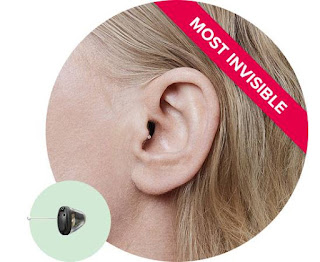
Invisible hearing aids, also known as invisible-in-canal (IIC) hearing aids, are a type of hearing aid that is designed to fit deep within the ear canal, making them virtually invisible. They are custom-fit to the individual's ear canal, which allows for a comfortable and secure fit. Invisible hearing aids use advanced technology to provide high-quality sound amplification in a discreet package. They are typically designed for mild to moderate hearing loss and can offer significant benefits to individuals who may feel self-conscious about wearing traditional hearing aids. Because of their small size, invisible hearing aids may have some limitations in terms of features and battery life compared to larger hearing aids. They also require regular maintenance and cleaning to ensure optimal performance and prevent earwax buildup. It is essential to consult with a hearing healthcare professional to determine if invisible hearing aids to suit your specific hearing needs and lifestyle.

Ways to prevent noise induced hearing loss

Image
The causes of hearing loss are many. But most common cases of hearing loss is noise induced hearing loss which is caused by damage to the tiny hearing cells in the inner ear. This type of damage is generally caused by over exposure to excess noise over prolonged periods. This is a permanent damage which is also known as Sensorineural hearing loss. This type of hearing loss in most cases is irreversible in nature. Thus it is important that you prevent such ty pe of hearing loss. This is only possible when you sufficiently protect your ears from prolonged exposure to loud noise. Generally it is agreed amongst experts that exposure to a noise level of above 85 dB over a prolonged time can lead to hearing loss. So you need to be conscious of the problem and prevent it from happening by controlling things which are under your control. Sometimes it may not be under your control. For example you may be in a room which is playing loud music, but you have no option of turning down the ...